


Baby Teeth Cavities in Children: Treatment & Key Facts for Parents
Many parents believe treating cavities in baby teeth is pointless — the teeth will fall out anyway. Pediatric dentists call this one of the most dangerous myths in children's health. According to WHO data, tooth decay affects 60–90% of preschool-aged children worldwide. Early loss of a baby tooth before age 6 disrupts bite development in one in three children, and untreated decay can damage the underlying permanent tooth bud in 12–20% of cases. Here are the key facts and nuances every parent should know.
This information is educational and does not replace consultation with a licensed dentist.
Why baby teeth actually matter
A baby tooth is not just a placeholder — it actively guides the permanent tooth into position and maintains jaw spacing. When a baby tooth is lost too early due to decay, neighboring teeth drift into the empty space. The permanent tooth then erupts crooked, rotated, or not at all — often requiring expensive orthodontic treatment later.
There's also a direct infection risk: the tip of a baby tooth root sits just millimeters above the developing permanent tooth bud. Untreated periapical abscess in a baby tooth can cause discoloration, malformation, or structural defects in the adult tooth beneath it.
Recognizing cavity stages at home
Baby tooth decay progresses through four stages. The earlier it's caught, the less invasive the treatment.
| Stage | Visual signs | Pain | Treatment |
|---|---|---|---|
| Initial (white spot) | Chalky white areas near the gumline | None | Remineralization, fluoride varnish |
| Superficial | Spot turns yellow or brown, rough texture | Rare | SDF, ICON resin infiltration |
| Moderate | Visible cavity, darkening | Cold/sweet sensitivity | Composite filling |
| Deep | Large cavity, visible decay | Spontaneous pain | Pulpotomy or extraction |
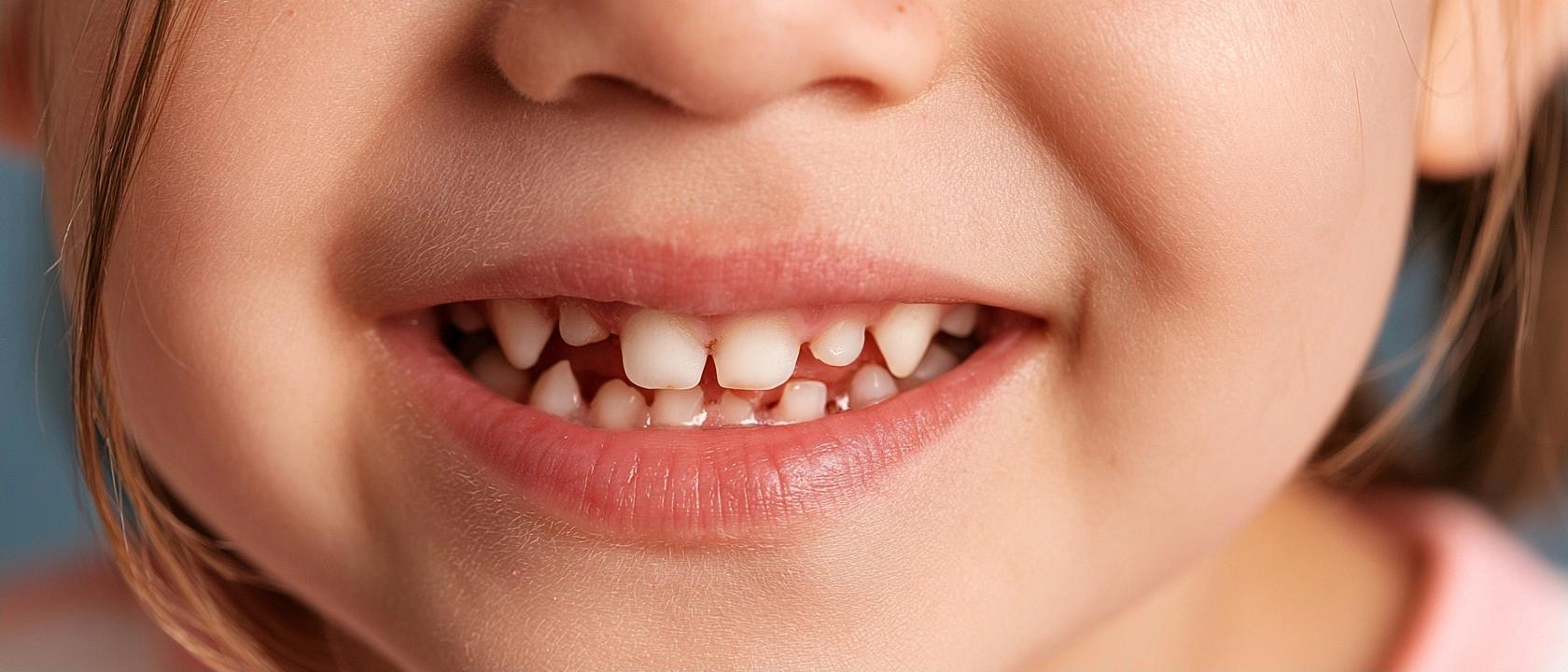
At home, watch for: white or dark spots on teeth, bad breath, refusal to eat hard foods, chewing on one side, or increased irritability at mealtimes. Early-stage decay is invisible without clinical drying and magnification — that's why regular dental check-ups matter.
Treatment methods by stage and age
Treatment choice depends on two factors: cavity stage and the child's age and cooperation level. Not every method works at every age.
Fluoride varnish and remineralization
At the white-spot stage, enamel is demineralized but not yet broken down. The dentist applies fluoride varnish or a calcium-phosphate solution that restores mineral content. No drilling, no anesthesia, suitable from the first tooth. Typically 3–5 sessions. Cost: $10–30 per session.
Silver Diamine Fluoride (SDF)
SDF is a liquid that stops decay almost immediately through antimicrobial action. It can be applied to children as young as 12 months. The drawback: treated areas turn permanently black. This doesn't affect function, but it is cosmetically obvious. SDF is especially useful when a child is too young or anxious for other interventions. Cost: $5–20 per tooth.
ICON resin infiltration
A drill-free technique: a low-viscosity resin fills the micro-pores in demineralized enamel and halts cavity progression. Effective for initial and superficial lesions. Recommended for children aged 3+ who can cooperate for 20–30 minutes. Cost: $40–80 per tooth.
Composite filling
The standard treatment for moderate and deep cavities. For baby teeth, glass ionomer cement (releases fluoride, less durable) or compomer (more resistant) are preferred. For front teeth, strip crowns — pre-formed celluloid shells — are often used to restore shape after filling. Local anesthesia is required for children 2–3 years and older. Cost: $30–80 per tooth.
Pulpotomy
When decay has reached the pulp (nerve), a pulpotomy removes the infected portion of the pulp while preserving the tooth. Completed in 2–3 visits. If saving the tooth isn't possible, early extraction with a space maintainer is done to prevent drift. Cost: $60–120.
Sedation and general anesthesia: when it's justified
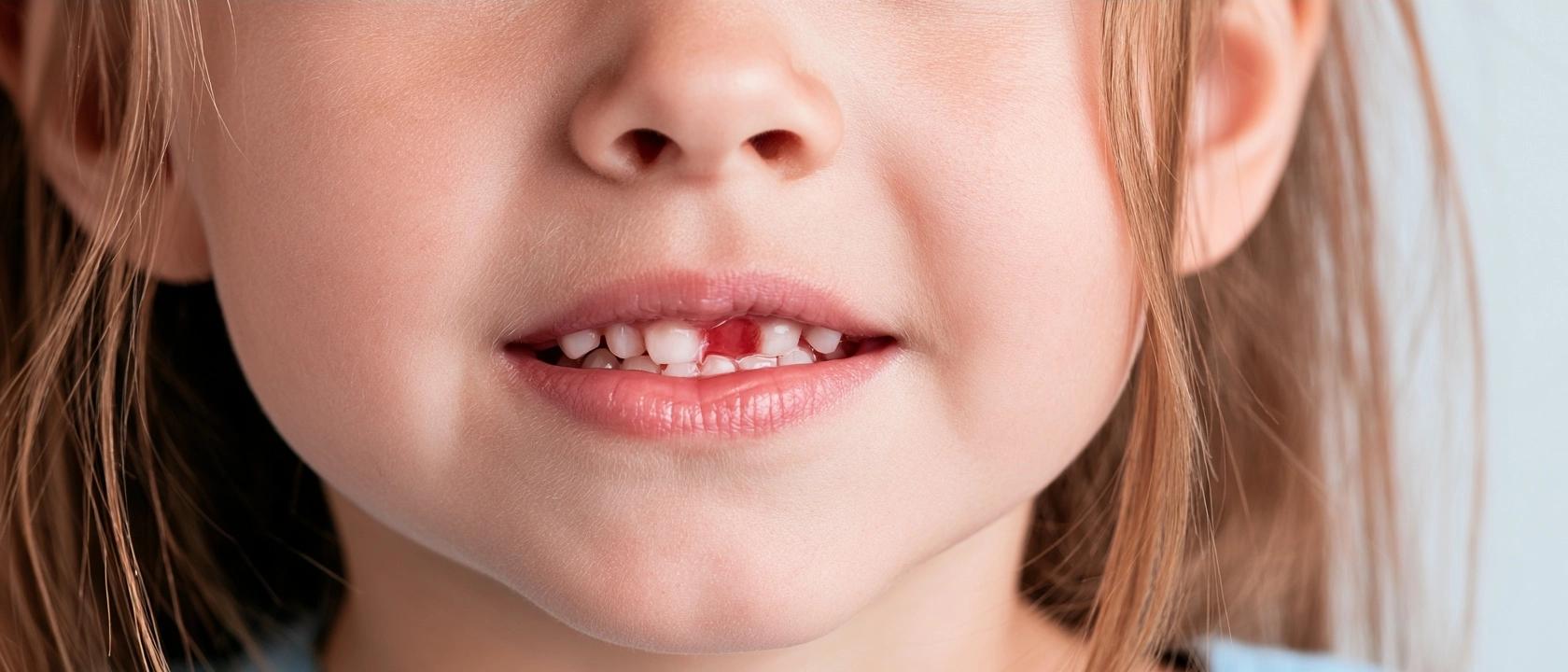
This is often the most stressful decision for parents. Here's what clinical evidence says.
Nitrous oxide sedation (laughing gas) keeps the child conscious but relaxed and reduces anxiety. It's safe from age 2.5–3, works within minutes, and clears the system in 5 minutes after removal. It's contraindicated if the child has a stuffy nose, asthma, or certain respiratory conditions.
General anesthesia is recommended when:
- The child has 5 or more cavities and is under age 3
- Severe dental anxiety that prevents treatment even with sedation
- Neurological conditions or autism spectrum disorder
- Allergy to local anesthetics
Under general anesthesia, all treatment is completed in one visit — a major advantage. The risk of serious complications in a healthy child during a short procedure is less than 1 in 10,000 according to anesthesiology society data. Cost: $200–600 total, depending on number of teeth and procedure length.
Before anesthesia: blood tests and a pediatrician clearance are required. No food or liquids for 6 hours before the procedure.
Baby bottle tooth decay: a special case
Early childhood caries (baby bottle tooth decay) affects children under 3 and is directly caused by prolonged contact with sweet liquids — formula, juice, sweet tea — especially during sleep. The telltale pattern: multiple upper front teeth blackened near the gumline.
Prevention:
- Never put the child to sleep with a bottle containing anything other than water after age 12 months
- Wipe gums and new teeth with a damp cloth after every feeding
- Begin brushing with a soft infant toothbrush as soon as the first tooth appears
- Breast milk also contains sugars — clean the baby's mouth after night feedings
When early childhood caries is already advanced, treatment is typically done under general anesthesia due to the child's young age and the extent of decay.

What actually prevents cavities in baby teeth
Prevention starts before birth: calcium and folic acid deficiency during pregnancy negatively affects enamel quality in the developing baby's teeth.
Evidence-based preventive measures
- Breastfeeding through 12 months is associated with lower early caries risk compared to bottle feeding with formula or juice
- Brushing from the first tooth: use a soft infant brush without toothpaste (or a rice-grain amount of fluoride toothpaste) until age 3
- Fluoride varnish applied by a dentist every 3–6 months reduces cavity risk by 33–40% (Cochrane Review data)
- Pit and fissure sealants on molar surfaces reduce decay risk by 70–80%
- Limit between-meal sweet drinks: juice and sugary drinks sipped throughout the day are more cariogenic than occasional candy
Common mistakes that raise risk
- Sharing spoons or pacifiers with a caregiver who has untreated decay — directly transmits Streptococcus mutans bacteria to the child
- Using mouthwash instead of brushing — doesn't remove dental plaque
- Relying on "dental" chewing gum alone — a supplement, not a replacement for brushing
When to see a dentist right away
A routine check-up every 6 months is recommended starting at the first tooth (around 6–8 months of age). See a dentist urgently if:
- The child complains of tooth pain or pain when eating
- Swelling appears on the cheek or gum near a tooth
- A tooth turns dark brown or black suddenly
- The child refuses food without obvious cause
- Bleeding from a tooth without trauma
Early intervention at the white-spot or superficial stage means no drilling and no anesthesia. A 2–3 month delay in a young child can mean the difference between a fluoride varnish application and a treatment under general anesthesia.